Know the signs! Blood clots in the legs, a life-threatening abnormality


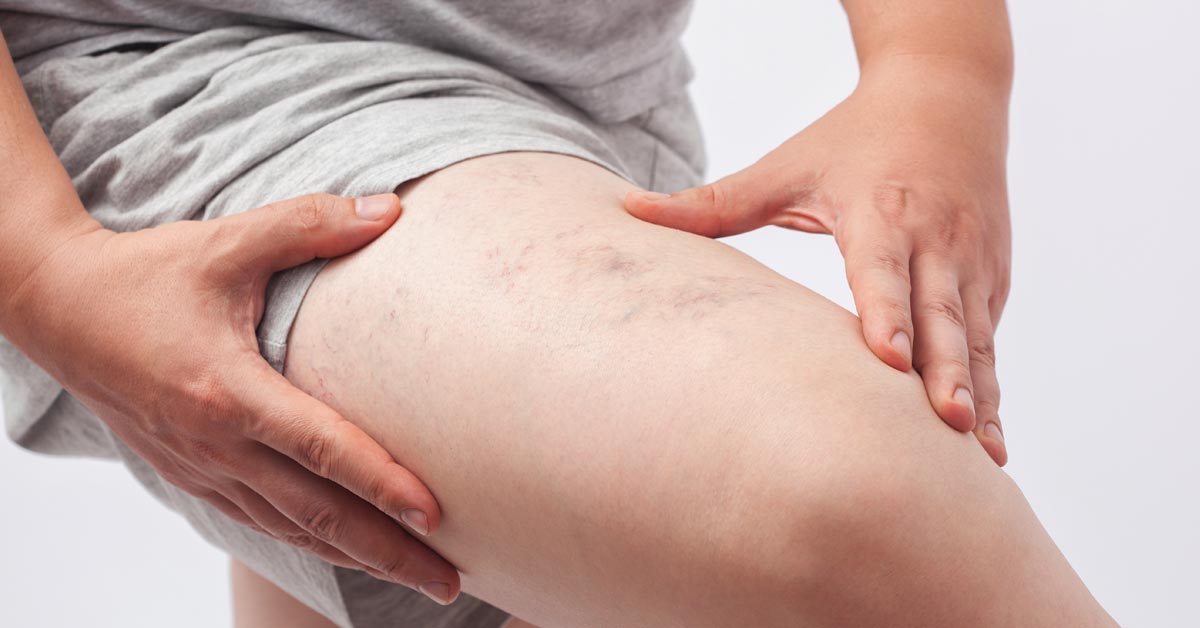
Because your legs are essential for movement and daily life, it's important to pay attention to them. If you experience unexplained swelling, bruising, or a sudden hot sensation, it may be more than just simple fatigue. These symptoms could be warning signs of a dangerous condition called deep vein thrombosis (DVT) or a blood clot in the leg. If left undiagnosed and untreated, it can lead to life-threatening complications.
This article will provide an in-depth look at deep vein thrombosis (DVT), covering everything from its causes and symptoms to proper treatment and prevention methods. This knowledge will empower you to confidently and safely take care of your own health and that of your loved ones every step of the way.
Understanding Deep Vein Thrombosis (DVT)
What is Deep Vein Thrombosis (DVT)?
Deep Vein Thrombosis, or DVT, is a condition where a blood clot forms in a deep vein, typically in the calf, leg, or thigh. These clots obstruct the flow of blood returning to the heart, causing symptoms such as swelling, pain, and a feeling of tightness or heaviness in the leg.
If a blood clot breaks free and travels to the lungs, it can cause a Pulmonary Embolism, a life-threatening emergency that requires immediate medical treatment.
What Causes DVT?
The primary causes of deep vein thrombosis (DVT) are often related to pre-existing health conditions, such as abnormal blood vessel walls or heart disease. However, daily habits that slow blood flow or increase the blood's tendency to clot are also significant risk factors. These include:
1. Sitting or standing for too long without moving: Remaining in the same position for extended periods slows down blood circulation, especially in the legs, which can lead to the formation of blood clots.
2. Lack of exercise: A sedentary lifestyle or a lack of physical activity that stimulates blood circulation—such as during prolonged bed rest—means muscles don't help pump blood back to the heart, increasing the risk of clots.
3. Smoking: The nicotine in cigarettes causes blood vessels to constrict, thickens the blood, and directly increases the tendency for blood clots to form.
4. Using certain hormones: Some medications, such as birth control pills, hormone replacement therapy, or menopause treatments, can have a side effect of increasing blood thickness, making it easier for clots to develop.
5. Obesity or being overweight: Excessive fat accumulation, particularly in the abdomen and hips, increases pressure in the leg veins. This makes it harder for blood to flow, which can lead to blockages.

Who Is at Risk for Deep Vein Thrombosis (DVT)?
While a blood clot in the leg can happen to anyone, it is most common in certain groups with specific health risk factors or behaviors that impact blood circulation. It is crucial for these at-risk individuals to pay close attention to any unusual symptoms. The groups with a higher-than-average risk for DVT include:
- Elderly individuals, especially those over 60, have a higher risk of blood clots. This is because their circulatory system naturally slows down with age, and blood vessels are more likely to deteriorate, leading to poorer blood flow.
- Pregnant and postpartum women are at a higher risk of blood clots. This is due to hormonal changes and the expanding uterus, which can put pressure on the deep veins in the pelvis. This pressure makes it more difficult for blood to flow back to the heart, increasing the chance of a clot forming.
- Individuals with prolonged bed rest, such as those recovering from major surgery (especially hip or knee replacement) or patients who cannot move normally, are at higher risk. A lack of movement slows down blood circulation, which is a major factor in the formation of blood clots.
- Cancer patients: Certain types of cancer can make blood more prone to clotting. Additionally, chemotherapy treatments may damage blood vessel walls, further increasing the risk of a blood clot forming.
- Individuals with a family history of blood clots are at a higher risk. If a close relative has had a blood clot, other family members may have an increased risk due to potential genetic abnormalities that affect the blood's clotting system.
- People who take certain medications or have chronic diseases like diabetes, high blood pressure, or heart disease are also at risk. All of these conditions affect blood circulation. Additionally, some medications, such as birth control pills or hormone replacement therapy, can also increase the chance of blood clots.
What are the symptoms of Deep Vein Thrombosis (DVT)?
A blood clot in the leg often starts with minor symptoms that can be easily overlooked. However, if a patient is not diagnosed and treated promptly, the condition can worsen and lead to dangerous complications. While some patients may not have clear symptoms, most will show noticeable signs of physical abnormality, such as:
- Swelling in the leg: The leg with the blood clot will swell on one side because blood cannot flow back to the heart normally. This swelling may start in the calf and extend up to the thigh or down to the foot.
- Pain or a tight feeling in the calf: A deep, cramp-like ache or a feeling of tightness inside the muscle is a common symptom. This pain is usually located only in the leg with the blood clot.
- Skin discoloration: The area with the blood clot may appear red or darker than normal. In some cases, the skin may even turn purple or blue, which can indicate a more severe blockage.
- Abnormal warmth or heat in the leg: The skin temperature on the affected leg is often higher than normal due to inflammation within the blood vessel.
- Prominent or bulging veins: In some cases, the veins on the surface of the leg may become more visible or appear abnormally swollen, indicating increased pressure in the blood vessel due to the blockage.
⚠️ In some patients, there may be no warning symptoms until a blood clot breaks off and travels to the lungs, causing a serious condition known as pulmonary embolism. Symptoms can include difficulty breathing, chest pain, rapid heartbeat, or sudden loss of consciousness. If any of these symptoms occur, it is crucial to seek immediate medical attention for prompt diagnosis and treatment.
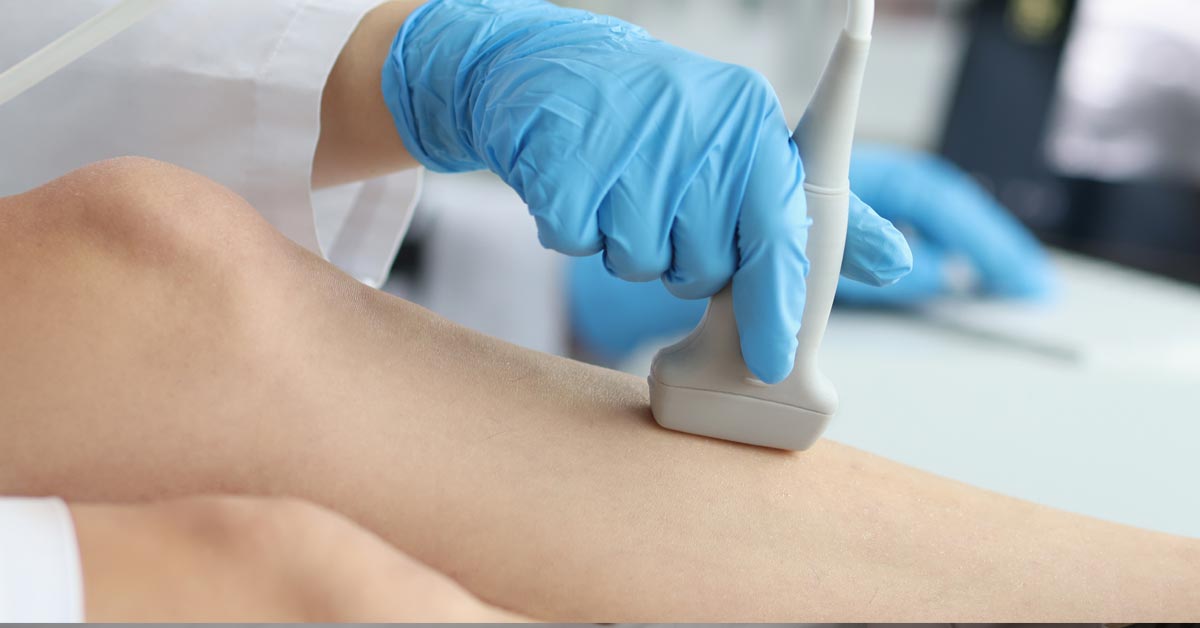
Treatment Approaches for Deep Vein Thrombosis (DVT)
The treatment for a blood clot in the leg typically depends on the clot's severity and location, as well as the patient's overall health. The main goals of treatment are to prevent the clot from getting larger, reduce the risk of complications, and prevent recurrence. Common treatment approaches include:
1. Anticoagulants (Blood Thinners)
This is the primary treatment for DVT. These medications help prevent the clot from growing and stop new clots from forming. However, they must be taken under close medical supervision due to the risk of bleeding.
2. Thrombolytics (Clot-Busting Medications)
These are used for large blood clots or when there is a high risk of a pulmonary embolism. These medications work by rapidly dissolving the clot and are administered in a hospital under close supervision due to the high risk of bleeding.
3. Inferior Vena Cava (IVC) Filter
This is a small device placed in a large vein to catch blood clots before they can reach the lungs. It is an option for patients who cannot take anticoagulants or have a high risk of bleeding. However, IVC filters can have long-term risks, such as the filter itself becoming blocked.
4. Thrombectomy (Surgical or Catheter-Based Clot Removal)
This treatment is used in emergencies or when medication is not effective. A doctor will perform surgery or use a special catheter to physically remove the blood clot from the vein. This procedure is typically reserved for patients with severe symptoms or life-threatening complications.
How to Prevent Deep Vein Thrombosis (DVT)
Although deep vein thrombosis (DVT) in the legs may sound concerning, it can be prevented by taking care of your health and making lifestyle changes—key factors in reducing the risk. Here are some simple preventive measures you can start with:
- Change positions every 1-2 hours when working at a computer or on a long trip. You should get up, walk around, or stretch your legs frequently.
- Drink enough water to prevent blood from thickening, especially in hot weather.
- Avoid crossing your legs, as this can make it difficult for blood to flow.
- Exercise regularly, with activities like brisk walking, swimming, or yoga, to promote good blood circulation.
- Maintain a healthy weight. Losing weight and managing obesity helps reduce the risk of blood clots.
- Quit or stop smoking to help restore your blood vessels to a healthy condition.
- Wear graduated compression stockings or socks. These are designed to provide the most pressure at the ankle, with the pressure gradually decreasing up the leg. This helps improve blood circulation and prevents swelling and varicose veins. They are often recommended for people who stand for long periods, travel long distances, or have venous issues.

To schedule an appointment or for more information, please contact:
The Surgery Center, 4th Floor, ViMUT Hospital
Hours: 8:00 AM - 8:00 PM | Tel: 0-2079-0040
Alternatively, you can download the ViMUT Application to book an appointment or use our online consultation service.
For all your health concerns, consult with a specialist online. We are ready to care for you with compassion
Doctors
Health Tips
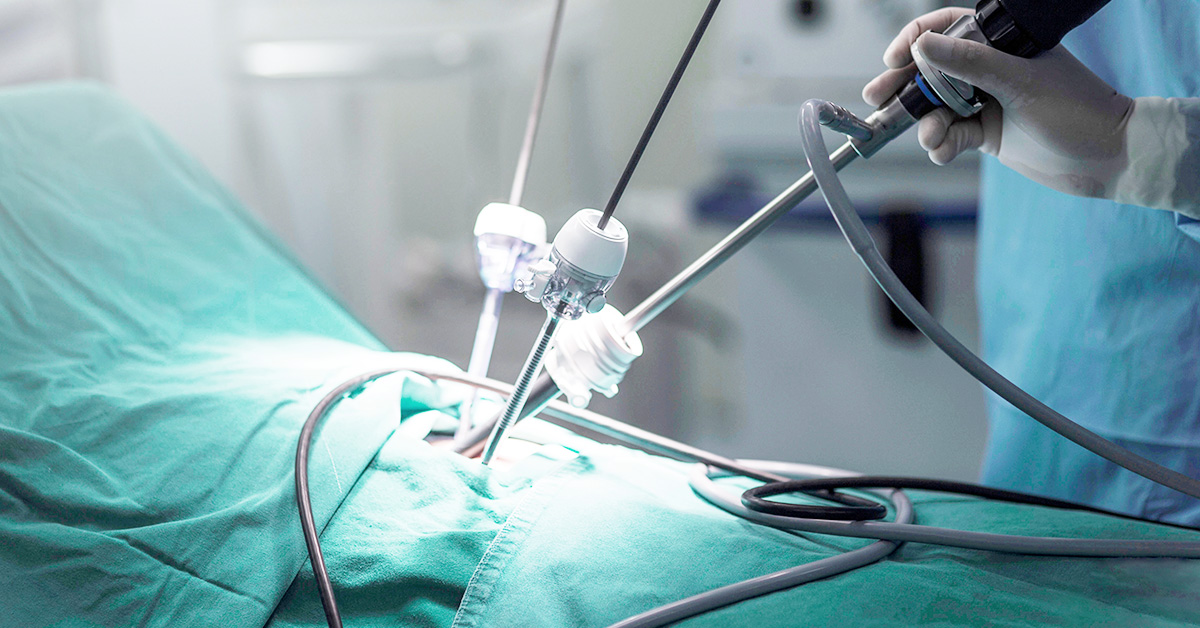
Minimally Invasive Surgery (MIS): Precise, Small Incisions, Faster Recovery
Minimally Invasive Surgery (MIS): Targeted, Small Incisions, Quick Recovery As we know, medical technology has advanced significantly. The limitations of treating diseases have been reduced, and new treatment techniques have developed by leaps and bounds. This includes surgical methods that help lower various risks and shorten recovery time so patients can return to their normal lives faster. Today, let's learn more about minimally invasive surgery (MIS), a valuable treatment option for the future.