Can't Breathe? It Might Be More Than Just a Cold! Understand Pulmonary Edema: Before It's Too Late.


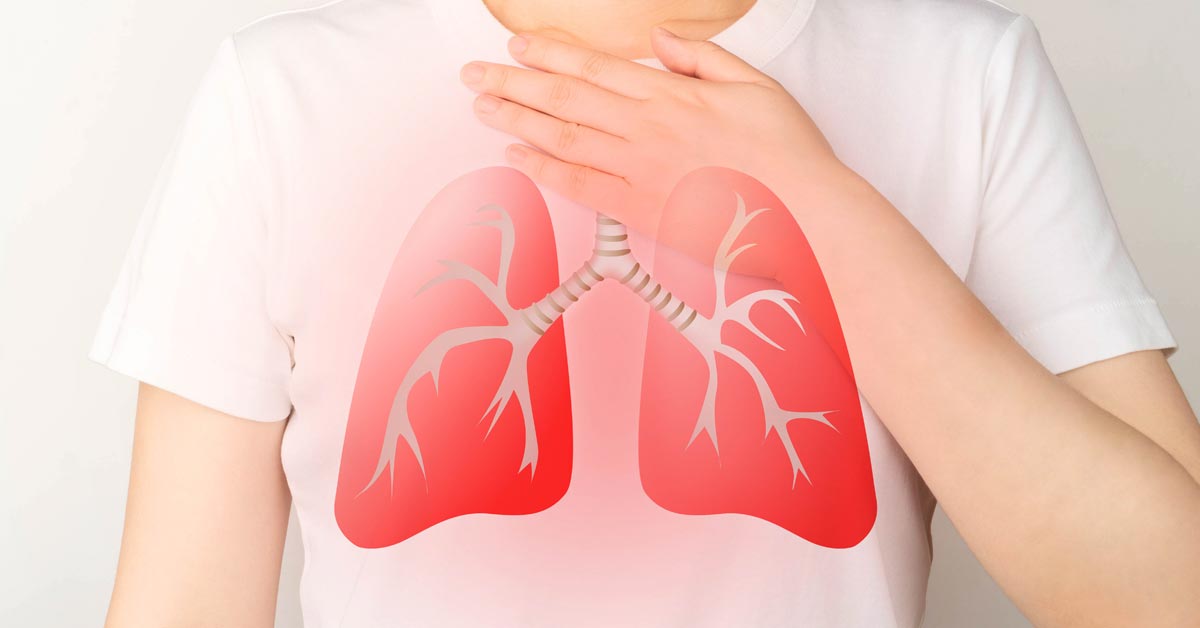
Symptoms like difficulty breathing, coughing, and easy fatigue might make many people think of a common cold or general respiratory illness. But did you know these could be warning signs of pulmonary edema? This is a life-threatening condition if not treated promptly! Being aware of its causes and symptoms is crucial and can help reduce your risk of pulmonary edema.
What is Pulmonary Edema?
Pulmonary edema is a condition where fluid accumulates in the lung air sacs (alveoli), leading to inefficient gas exchange. As a result, the body doesn't receive enough oxygen, causing difficulty breathing. Patients often feel fatigued, short of breath, and unable to lie flat. They might even wake up at night gasping for air and needing to sit upright. If left untreated, this can lead to severe oxygen deprivation, ultimately resulting in heart failure and potentially becoming life-threatening.

Symptoms of pulmonary flooding
Symptoms of pulmonary edema can appear suddenly or develop gradually over time. Patients might initially experience only mild breathing difficulties, which then worsen and impact daily life. Common and important symptoms include:
- Difficulty breathing, especially when lying flat, often forcing the patient to use multiple pillows or even sit upright to sleep to alleviate symptoms.
- Rapid, labored breathing (gasping for air) as the body attempts to compensate for lack of oxygen by breathing more frequently.
- Coughing with white or pink frothy sputum (phlegm mixed with blood), a result of fluid accumulating in the lungs and irritating the airways.
- Chest pain or tightness, which may result from the heart working too hard or underlying coronary artery issues.
- Cold skin and excessive sweating, possibly a sign of shock if the heart cannot pump enough blood to adequately supply the body.
- Rapid heart rate as the heart tries to pump more blood to compensate for the lack of oxygen.
- Dizziness, confusion, or loss of consciousness in some cases, due to the brain not receiving sufficient oxygen.

Causes of Lung Flooding
Pulmonary edema can arise from various causes, primarily categorized into two main groups:
- Causes Related to Heart Conditions (Cardiogenic Pulmonary Edema) The primary cause of pulmonary edema often stems from abnormal heart function, where the heart cannot pump blood effectively. This leads to increased pressure, causing fluid to leak into the air sacs. This can be associated with heart conditions such as coronary artery disease, heart failure, arrhythmias, and heart valve disorders.
- Causes Not Related to Heart Conditions (Non-cardiogenic Pulmonary Edema) Pulmonary edema not caused by heart disease can result from external factors or other illnesses that directly damage the lungs, or from changes in the circulatory system that cause fluid to leak into the lungs. Examples include sepsis, kidney failure, inhalation of toxins, and direct lung injury
Risk factors for pulmonary flooding
- Individuals with pre-existing medical conditions or certain lifestyle factors may have a higher-than-normal risk of developing pulmonary edema. Here are some common risk factors:
- Individuals with cardiovascular diseases, such as ischemic heart disease or high blood pressure.
- Patients with chronic kidney disease, which makes it harder for the body to excrete fluids, leading to an accumulation of salt and water in the body.
- Those taking certain medications, such as NSAIDs (non-steroidal anti-inflammatory drugs) or some heart medications.
- Individuals in situations of oxygen deprivation, like those who climb mountains or ascend to high altitudes rapidly.
- Those with severe infections, which can affect the circulatory system and lungs.

Guidelines for the treatment of pulmonary flooding
When a patient experiences pulmonary edema, initial treatment focuses on administering diuretics to reduce fluid in the lungs and increasing blood oxygen levels to alleviate shortness of breath. Following this, the main treatment will target the underlying causes and contributing factors of the pulmonary edema, such as correcting heart function through methods like blood pressure medication or heart valve surgery.
Because pulmonary edema is a dangerous condition that requires urgent treatment, symptoms like difficulty breathing, fatigue, or coughing with bloody phlegm might no longer be just a common cold, but a warning sign of a serious health problem. If you notice any abnormal symptoms, don't ignore them. You should see a doctor immediately to prevent complications and increase the chance of timely treatment.
For more details and to schedule an appointment, please contact:
Vimut Hospital - Lung Health Center, 7th Floor
Operating Hours: 8:00 AM - 8:00 PM
Phone: 02-079-0315
Alternatively, you can download the ViMUT Application to book an appointment or access our online doctor consultation service.
For all health problems, consult a specialist doctor online who is ready to take care of you with care
Doctors

Wongmeatanukroh
Wongmeatanukroh
Wongmeatanukroh
Wongmeatanukroh
Wongmeatanukroh


Wongmeatanukroh
Health Tips
Understanding Lung Diseases: Types, Symptoms, and Causes – A Checklist from ViMUT Hospital
Our lungs are vital organs that allow us to breathe. Every day, we inhale and exhale tens of thousands of times to deliver oxygen to every part of our body. However, insidious lung diseases can sometimes silently sneak in and damage our lungs without us even knowing.
Open the world of bronchoscopy for accurate diagnosis.
Struggling with respiratory issues, chronic cough, or shortness of breath? Worried about your lung health? Don't wait! Get an accurate check-up of your bronchial tubes and respiratory system with Bronchoscopy, a vital new-age medical technology. This procedure enables doctors to diagnose and plan treatments precisely, quickly, and effectively, significantly improving treatment outcomes and increasing survival rates, especially for lung cancer!
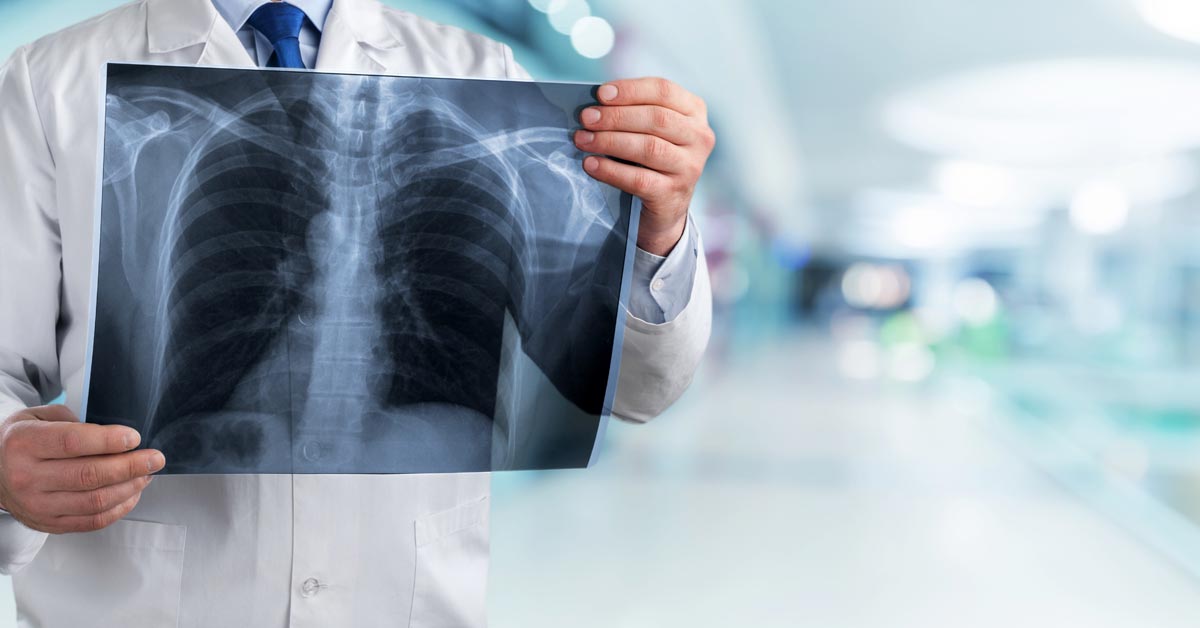
White lung syndrome
Bronchoscopy and EBUS play a crucial role in diagnosing and staging lung cancer. They are also used to diagnose a range of other conditions
Understanding Lung Diseases: Types, Symptoms, and Causes – A Checklist from ViMUT Hospital
Our lungs are vital organs that allow us to breathe. Every day, we inhale and exhale tens of thousands of times to deliver oxygen to every part of our body. However, insidious lung diseases can sometimes silently sneak in and damage our lungs without us even knowing.
Open the world of bronchoscopy for accurate diagnosis.
Struggling with respiratory issues, chronic cough, or shortness of breath? Worried about your lung health? Don't wait! Get an accurate check-up of your bronchial tubes and respiratory system with Bronchoscopy, a vital new-age medical technology. This procedure enables doctors to diagnose and plan treatments precisely, quickly, and effectively, significantly improving treatment outcomes and increasing survival rates, especially for lung cancer!
White lung syndrome
Bronchoscopy and EBUS play a crucial role in diagnosing and staging lung cancer. They are also used to diagnose a range of other conditions
Understanding Lung Diseases: Types, Symptoms, and Causes – A Checklist from ViMUT Hospital
Our lungs are vital organs that allow us to breathe. Every day, we inhale and exhale tens of thousands of times to deliver oxygen to every part of our body. However, insidious lung diseases can sometimes silently sneak in and damage our lungs without us even knowing.
White lung syndrome
Bronchoscopy and EBUS play a crucial role in diagnosing and staging lung cancer. They are also used to diagnose a range of other conditions
Understanding Lung Diseases: Types, Symptoms, and Causes – A Checklist from ViMUT Hospital
Our lungs are vital organs that allow us to breathe. Every day, we inhale and exhale tens of thousands of times to deliver oxygen to every part of our body. However, insidious lung diseases can sometimes silently sneak in and damage our lungs without us even knowing.
Open the world of bronchoscopy for accurate diagnosis.
Struggling with respiratory issues, chronic cough, or shortness of breath? Worried about your lung health? Don't wait! Get an accurate check-up of your bronchial tubes and respiratory system with Bronchoscopy, a vital new-age medical technology. This procedure enables doctors to diagnose and plan treatments precisely, quickly, and effectively, significantly improving treatment outcomes and increasing survival rates, especially for lung cancer!