หัวใจและหลอดเลือด

หัวใจและหลอดเลือด
| สถานที่ตั้ง ชั้น 6 โรงพยาบาลวิมุต พหลโยธิน |
| เวลาทำการ 8.00-17.00 น. |
| เบอร์โทรศัพท์ 02-079-0042 |
หัวใจและหลอดเลือด โรงพยาบาลวิมุต พหลโยธิน
ให้บริการตรวจวินิจฉัยเพื่อคัดกรองทุกอาการเสี่ยงของความผิดปกติหัวใจ โดยอายุรแพทย์เฉพาะทางโรคหัวใจ และทีมสหสาขาที่คอยดูแลอย่างใกล้ชิด ให้คำแนะนำในการป้องกัน และรักษาผู้ป่วยที่มีโรคและภาวะเกี่ยวข้องกับหัวใจ เช่น โรคหลอดเลือดหัวใจ โรคความดันโลหิตสูง โรคหัวใจเต้นผิดจังหวะและโรคไขมันในเลือดสูง รวมถึงเทคโนโลยีที่ทันสมัยและห้องปฏิบัติการที่พร้อมให้บริการอย่างครบวงจร เพื่อตรวจวิเคราะห์หาความผิดปกติได้อย่างแม่นยำ ได้แก่
- การตรวจหาแคลเซียมในหลอดเลือดหัวใจ (CT calcium score) เป็นการตรวจเส้นเลือดหัวใจด้วยเครื่องเอกซเรย์คอมพิวเตอร์ (CT scan) โดยไม่ต้องฉีดสารทึบรังสี เพื่อดูหินปูนหรือแคลเซียมบริเวณเส้นเลือดหัวใจ ใช้ค้นหาความเสี่ยงการเกิดโรคหลอดเลือดหัวใจในอนาคตได้ เหมาะสำหรับ ผู้ที่มีประวัติครอบครัวเป็นโรคหลอดเลือดหัวใจ อายุมากกว่า 40 ปีขึ้นไป และมีปัจจัยเสี่ยงต่อโรคหลอดเลือดหัวใจ เช่น เบาหวาน ความดันโลหิตสูง ไขมันในเลือดสูง โรคอ้วนลงพุง สูบบุหรี่
- การตรวจความสมบูรณ์ของคลื่นไฟฟ้าที่เกิดขึ้นในกล้ามเนื้อหัวใจ เพื่อตรวจหาความผิดปกติ ที่อาจจะเกิดขึ้นหรือได้เกิดขึ้นไปแล้ว เพื่อวินิจฉัยโรคต่างๆ ที่มีผลต่อหัวใจ เช่น ภาวะหัวใจโต เส้นเลือดหัวใจตีบ หัวใจเต้นผิดจังหวะบางชนิด และหาสาเหตุของอาการเจ็บหน้าอก เป็นต้น โดยวิธีนี้ถือว่าเป็นการตรวจที่ง่ายและสะดวก สามารถตรวจได้ทุกเพศทุกวัย
- การทดสอบสมรรถภาพร่างกายโดยการวิ่งสายพาน โดยขณะออกกำลังกายหัวใจจะทำงานหนักมากขึ้น หากผู้ป่วยมีเส้นเลือดหัวใจตีบจะทำให้มีอาการเหนื่อย หรือแน่นหน้าอก หรือตรวจพบคลื่นไฟฟ้าหัวใจผิดปกติ นอกจากนี้การทดสอบวิ่งสายพานยังสามารถช่วยบอก สมรรถภาพของร่างกาย และบอกความฟิตของร่างกายได้อีกด้วย เหมาะสำหรับผู้มีอาการเหนื่อยง่าย แน่นหน้าอก สงสัยโรคเส้นเลือดหัวใจตีบ เตรียมตัวก่อนการผ่าตัดในผู้ป่วยที่มีความเสี่ยงสูง และผู้ป่วยที่เป็นโรคหัวใจเต้นผิดจังหวะบางชนิด
- การตรวจคัดกรองความผิดปกติของเส้นเลือดหัวใจ (CTA coronary) เป็นการตรวจหัวใจโดยใช้เครื่องเอกซเรย์คอมพิวเตอร์ความเร็วสูง ร่วมกับการฉีดสารทึบรังสีเข้าทางหลอดเลือดดำ แล้วบันทึกภาพหลอดเลือดที่ไปเลี้ยงกล้ามเนื้อหัวใจ เพื่อวินิจฉัยว่าหลอดเลือดหัวใจมีการตีบตัน หรือมีความผิดปกติอื่นหรือไม่ นอกจากนี้ ยังสามารถตรวจปริมาณคราบหินปูน(หรือแคลเซียม)ในหลอดเลือดหัวใจ รวมถึงการบีบตัวของหัวใจในเบื้องต้นได้อีกด้วย เหมาะสำหรับผู้ที่มีอาการแน่นหน้าอกหรือเหนื่อยง่ายเวลาออกแรง สงสัยโรคหลอดเลือดหัวใจตีบ และใช้ประเมินความผิดปกติแต่กำเนิดของหลอดเลือดหัวใจ
- การฉีดสีเพื่อถ่ายภาพเอกซเรย์หลอดเลือดหัวใจ (Coronary angiogram) หรือการใส่สายสวนหลอดเลือดหัวใจ (cardiac catheterization) คือ การทำหัตถการภายในห้องปฏิบัติการสวนหัวใจ (cardiac catheterization laboratory: cath lab) โดยการใส่สายสวน ซึ่งมีลักษณะเป็นท่อกลวงยาวขนาดเล็ก เข้าไปยังเส้นเลือดแดงบริเวณข้อมือ หรือขาหนีบ มีการฉีดของเหลวพิเศษที่เรียกว่า สารทึบรังสี (contrast dye) ผ่านสายสวนเข้าไปยังหลอดเลือดหัวใจ แล้วถ่ายภาพเอกซเรย์ภาพหลอดเลือดที่ไปเลี้ยงกล้ามเนื้อหัวใจ เพื่อวินิจฉัยว่าหลอดเลือดหัวใจมีการตีบตัน พร้อมประเมินความรุนแรง เหมาะสำหรับผู้ที่สงสัยภาวะกล้ามเนื้อหัวใจตายเฉียบพลัน ผู้ที่ได้รับการตรวจเพิ่มเติมอื่นก่อนหน้า เช่น การตรวจคลื่นไฟฟ้าหัวใจ การวิ่งสายพาน การตรวจคลื่นเสียงสะท้อนหัวใจ หรือการตรวจด้วยเครื่องเอกซเรย์คอมพิวเตอร์ แล้วพบความผิดปกติที่สงสัยโรคหลอดเลือดหัวใจตีบและหรือตัน
- การตรวจหัวใจด้วยภาพคลื่นสะท้อนในสนามแม่เหล็กไฟฟ้า (Cardiac MRI) เป็นวิธีการตรวจหัวใจโดยใช้เทคโนโลยีสร้างภาพด้วยสนามแม่เหล็กไฟฟ้า ที่มีประสิทธิภาพสูงและได้ภาพที่คมชัด เพื่อตรวจโครงสร้างและการทำงานของหัวใจ และนำมาวินิจฉัยโรคหัวใจชนิดต่างๆ เช่น ตรวจหาการตีบตันของหลอดเลือดที่ไปเลี้ยงหัวใจ รอยแผลเป็น หรือลิ่มเลือดในหัวใจ โรคกล้ามเนื้อหัวใจหนาตัวผิดปกติ โรคกล้ามเนื้อหัวใจอ่อนแรง โรคหัวใจพิการแต่กำเนิด โรคหัวใจวาย เป็นต้น
- หัวใจเต้นผิดจังหวะ เป็นการให้บริการตรวจวินิจฉัยเพื่อคัดกรองทุกอาการของความผิดปกติของหัวใจเต้นผิดจังหวะ โดยอายุรแพทย์เฉพาะทางโรคหัวใจ ให้คำแนะนำในการป้องกัน และรักษาผู้ป่วยที่มีโรคและภาวะเกี่ยวข้องกับโรคหัวใจเต้นผิดจังหวะ รวมถึงเทคโนโลยีที่ทันสมัยและห้องปฏิบัติการที่พร้อมให้บริการอย่างครบวงจร เพื่อตรวจวิเคราะห์หาความผิดปกติได้อย่างแม่นยำ
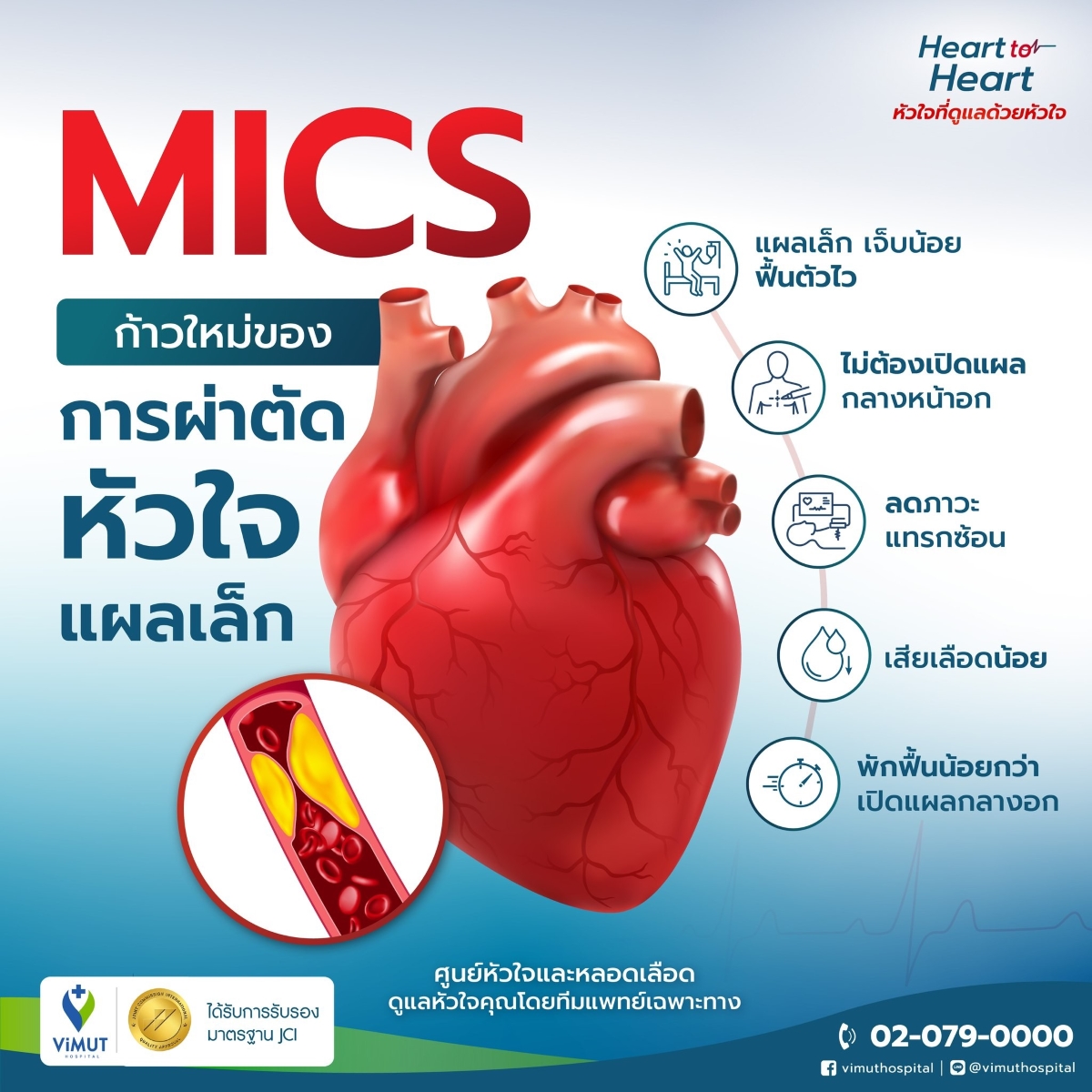
ผ่าตัดหัวใจแผลเล็ก MICS (Minimally Invasive Cardiac Surgery) เช่น โรคหลอดเลือดหัวใจตีบ, โรคลิ้นหัวใจตีบหรือรั่ว , โรคหัวใจเต้นผิดจังหวะ โรคหัวใจพิการแต่กำเนิด เช่น ผนังกั้นหัวใจห้องบนรั่ว, เนื้องอกหัวใจ
* ไม่ผ่าตัดเปิดกระดูกหน้าอก, แผลเล็กซ่อนใต้ราวนมซ้าย, เจ็บน้อย ฟื้นตัวไว ฯลฯ
เครื่องมือและเทคโนโลยีเกี่ยวกับหัวใจและหลอดเลือด
- เครื่องตรวจคลื่นไฟฟ้าหัวใจ (EKG) เป็นการตรวจความสมบูรณ์ของคลื่นไฟฟ้าที่เกิดขึ้นในกล้ามเนื้อหัวใจ เพื่อตรวจหาความผิดปกติ ที่อาจจะเกิดขึ้นหรือได้เกิดขึ้นไปแล้ว เพื่อวินิจฉัยโรคต่างๆ ที่มีผลต่อหัวใจ เช่น ภาวะหัวใจโต เส้นเลือดหัวใจตีบ หัวใจเต้นผิดจังหวะบางชนิด และหาสาเหตุของอาการเจ็บหน้าอก เป็นต้น โดยวิธีนี้ถือว่าเป็นการตรวจที่ง่ายและสะดวก สามารถตรวจได้ทุกเพศทุกวัย
- เครื่องอัลตราซาวด์หัวใจ (Echocardiogram) เป็นการใช้เครื่องมือ ที่มีลักษณะเป็นหัวตรวจรูปร่างคล้ายไมโครโฟน (Transducer) แตะบริเวณหน้าอกด้านซ้าย โดยใช้คลื่นเสียงสะท้อนความถี่สูง (Ultrasound) ทำให้เห็นเป็นภาพเคลื่อนไหวของหัวใจ ในมุมต่างๆ เพื่อดูขนาดของหัวใจในแต่ละห้อง ดูลักษณะการบีบตัวและคลายตัวของหัวใจ ดูลักษณะลิ้นหัวใจตีบและรั่ว และยังสามารถวัดความดันในห้องหัวใจได้อีกด้วย เหมาะสำหรับผู้ที่สงสัยโรคเส้นเลือดหัวใจตีบ โรคหัวใจล้มเหลว หัวใจเต้นผิดจังหวะ ลิ้นหัวใจตีบหรือลิ้นรั่ว ตรวจดูการทำงานของหัวใจเพื่อเตรียมความพร้อมก่อนการผ่าตัด ผู้ป่วยความดันโลหิตสูงที่สงสัยว่าจะมีหัวใจโตร่วมด้วย
- เครื่องบันทึกคลื่นไฟฟ้าหัวใจแบบพกติดตัว (Holter Monitor) เป็นอุปกรณ์ขนาดเล็ก ทำหน้าที่ติดตามคลื่นไฟฟ้าหัวใจ ตลอด 24 ชั่วโมง โดยอุปกรณ์จะประกอบด้วย 2 ส่วน คือ ตัวเครื่อง และ ส่วนขั้วไฟฟ้า (electrode) แปะบริเวณหน้าอก โดยส่วนตัวเครื่องอาจจะใช้วิธีห้อยคอ หรือสะพายข้างเอวก็ได้ ประโยชน์เพื่อวินิจฉัยโรคหัวใจเต้นผิดจังหวะ การตรวจหัวใจเต้นผิดจังหวะชนิดนี้ไม่จำเป็นต้องนอนโรงพยาบาล ผู้เข้ารับการตรวจ จะได้รับการติดอุปกรณ์กลับบ้าน แล้วนำมาคืนที่โรงพยาบาลเมื่อครบกำหนด เหมาะสำหรับผู้ป่วยที่มีอาการใจสั่น โดยมีอาการอย่างน้อย 1 ครั้งต่อวัน หรือเป็นเกือบทุกวัน ผู้ที่มีอาการวูบหมดสติ บางราย ที่สงสัยเหตุจากหัวใจเต้นผิดจังหวะ ผู้ป่วยที่มีเส้นเลือดในสมองตีบ สงสัยจากหัวใจเต้นผิดจังหวะ
- เครื่องวิ่งสายพาน (Exercise stress test) หรือการวิ่งสายพาน (treadmill) เป็นการทดสอบสมรรถภาพร่างกายโดยการวิ่งสายพาน โดยขณะออกกำลังกายหัวใจจะทำงานหนักมากขึ้น หากผู้ป่วยมีเส้นเลือดหัวใจตีบจะทำให้มีอาการเหนื่อย หรือแน่นหน้าอก หรือตรวจพบคลื่นไฟฟ้าหัวใจผิดปกติ นอกจากนี้การทดสอบวิ่งสายพานยังสามารถช่วยบอก สมรรถภาพของร่างกาย และบอกความฟิตของร่างกายได้อีกด้วย เหมาะสำหรับผู้มีอาการเหนื่อยง่าย แน่นหน้าอก สงสัยโรคเส้นเลือดหัวใจตีบ เตรียมตัวก่อนการผ่าตัดในผู้ป่วยที่มีความเสี่ยงสูง และผู้ป่วยที่เป็นโรคหัวใจเต้นผิดจังหวะบางชนิด
- เครื่องเอกซเรย์คอมพิวเตอร์ที่สามารถตรวจคัดกรองความผิดปกติของเส้นเลือดหัวใจ (CTA coronary) เป็นการตรวจหัวใจโดยใช้เครื่องเอกซเรย์คอมพิวเตอร์ความเร็วสูง ร่วมกับการฉีดสารทึบรังสีเข้าทางหลอดเลือดดำ แล้วบันทึกภาพหลอดเลือดที่ไปเลี้ยงกล้ามเนื้อหัวใจ เพื่อวินิจฉัยว่าหลอดเลือดหัวใจมีการตีบตัน หรือมีความผิดปกติอื่นหรือไม่ นอกจากนี้ ยังสามารถตรวจปริมาณคราบหินปูน(หรือแคลเซียม)ในหลอดเลือดหัวใจ รวมถึงการบีบตัวของหัวใจในเบื้องต้นได้อีกด้วย เหมาะสำหรับผู้ที่มีอาการแน่นหน้าอกหรือเหนื่อยง่ายเวลาออกแรง สงสัยโรคหลอดเลือดหัวใจตีบ และใช้ประเมินความผิดปกติแต่กำเนิดของหลอดเลือดหัวใจ
อาการบ่งชี้ที่ควรพบแพทย์ แบ่งออกเป็น 2 กลุ่ม
1. กลุ่มมีอาการ ได้แก่ เหนื่อย มีอาการแน่นหน้าอกขณะพัก หรือ เจ็บหน้าอกขณะออกกำลังกาย ใจสั่น มีอาการวูบ หน้ามืด
2. กลุ่มไม่มีอาการ ได้แก่ พฤติกรรมความเสี่ยง เช่น สูบบุหรี่ เป็นโรคอ้วน ความดันโลหิตสูง ไขมันในเลือดสูง และเบาหวาน เป็นต้น
สอบถามรายละเอียดเพิ่มเติม กรณาติดต่อ
หัวใจและหลอดเลือด ชั้น 6 รพ.วิมุต พหลโยธิน
เวลาเปิดให้บริการ 8.00-17.00 น.
โทรศัพท์ 02-079-0042
ทุกปัญหาสุขภาพ ปรึกษาแพทย์เฉพาะทางออนไลน์ ที่พร้อมดูแลคุณด้วยความใส่ใจ

วีดีโอที่เกี่ยวข้อง - หัวใจและหลอดเลือด รพ.วิมุต
การรักษาเฉพาะทางหัวใจและหลอดเลือด
หัวใจเต้นผิดจังหวะ เป็นการให้บริการตรวจวินิจฉัยเพื่อคัดกรองทุกอาการของความผิดปกติของหัวใจเต้นผิดจังหวะ โดยอายุรแพทย์เฉพาะทางโรคหัวใจ ให้คำแนะนำในการป้องกัน และรักษาผู้ป่วยที่มีโรคและภาวะเกี่ยวข้องกับโรคหัวใจเต้นผิดจังหวะ รวมถึงเทคโนโลยีที่ทันสมัยและห้องปฏิบัติการที่พร้อมให้บริการอย่างครบวงจร เพื่อตรวจวิเคราะห์หาความผิดปกติได้อย่างแม่นยำ ซึ่งหัวใจเต้นผิดจังหวะโรงพยาบาลวิมุตสามารถให้บริการด้วยเครื่องมือและอุปกรณ์ที่ทันสมัย ได้แก่
- การตรวจหัวใจด้วยเตียงปรับระดับ (Till Table Test) เป็นการตรวจโดยใช้เตียงที่ปรับเอียงได้เพื่อประเมินสาเหตุของภาวะเป็นลมหมดสติ ซึ่งเป็นปฏิกิริยาตอบสนองเมื่อระบบประสาทอัตโนมัติทำงานผิดปกติ ส่งผลให้หัวใจเต้นช้าลงและหลอดเลือดขยายตัว ความดันโลหิตลดลง เลือดไปเลี้ยงสมองได้น้อยและเป็นสาเหตุของการเป็นลมหมดสติ
- การตรวจสรีรวิทยาไฟฟ้าหัวใจ EPS (Electrophysiology Study) และ การจี้ไฟฟ้าหัวใจด้วยคลื่นความถี่วิทยุ (Radiofrequency Ablation) ใช้ตรวจประเมินสัญญาณไฟฟ้าและทางเดินไฟฟ้าหัวใจ โดยช่วยในการวินิจฉัยหาสาเหตุหัวใจเต้นผิดปกติ หาตำแหน่งในหัวใจที่เป็นจุดกำเนิดคลื่นไฟฟ้าที่ผิดปกติ และเป็นวิธีรักษาหัวใจเต้นผิดจังหวะ
- การเปลี่ยนจังหวะการเต้นของหัวใจด้วยการช็อคด้วยไฟฟ้า (Electrical cardioversion) เป็นหัตถการที่ใช้เวลาสั้น ผู้ป่วยจะได้รับยาสลบและติดแผ่นเพื่อบันทึกคลื่นไฟฟ้าหัวใจที่หน้าอก ต่อจากนั้นจะถูกช็อคด้วยไฟฟ้าผ่านทางแผ่นที่หน้าอก จังหวะการเต้นหัวใจจะกลับมาปกติ ผู้ป่วยจะไม่รู้สึกเจ็บ หรือ จำเหตุการณ์ได้ ซึ่งเป็นการรักษาอาการหัวใจเต้นผิดจังหวะจากภาวะหัวใจห้องบนเต้นพริ้ว ในกรณีที่ยาไม่สามารถควบคุมได้
- การผ่าตัดฝังเครื่องช่วยในการทำงานของหัวใจ (pacemaker or Implantable cardioverter defibrillator – ICD ) การผ่าตัดฝังอุปกรณ์ไฟฟ้าที่ช่วยให้อัตราการเต้นหัวใจกลับมาทำงานได้ปกติ จะทำให้ผู้ป่วยกลับมาใช้ชีวิตได้ตามปกติ โดยการผ่าตัดฝังอุปกรณ์นี้จะทำในห้องสวนหัวใจ ผู้ป่วยจะได้รับยาสลบ อุปกรณ์นี้จะประกอบไปด้วย แบตเตอร์รีและระบบคอมพิวเตอร์ (pulse generator) และลวดนำไฟฟ้า (leads)
สามารถติดต่อ หัวใจเต้นผิดจังหวะ ได้ที่
ชั้น 6 รพ.วิมุต พหลโยธิน (บริเวณหัวใจและหลอดเลือด)
เวลาทำการ : 8.00 - 17.00 น.
โทรศัพท์ 02-079-0042

นพ.สุวาณิช
เตรียมชาญชูชัย
อายุรแพทย์เฉพาะทางโรคหัวใจ
โรคหลอดเลือดหัวใจตีบ ป้องกันและตรวจพบได้ หากรู้เร็วก็รักษาได้ทันเวลา ตั้งแต่การใช้ยา การขยายหลอดเลือดด้วยบอลลูนและใส่ขดลวด ไปจนถึงการผ่าตัดบายพาสในรายที่ซับซ้อน

นพ.ศรัณย์พงศ์
ภิบาลญาติ
อายุรแพทย์เฉพาะทางโรคหัวใจ
Sedentary Lifestyle
คือ พฤติกรรมใช้ชีวิตเนือยนิ่ง ไม่ขยับขา ซึ่งเสี่ยงต่อโรคเบาหวาน ความดันโลหิตสูง และโรคหลอดเลือดหัวใจ โดยลดความเสี่ยงนั้นได้ ผ่านการเดินอย่างน้อย 2,500 ก้าว/วัน ยิ่งถ้าเดินได้ถึง 10,000 ก้าว/วัน ถือว่าดีที่สุด

พญ.ฐานิกา
วุทธชูศิลป์
อายุรแพทย์เฉพาะทางโรคหัวใจ
ยาลดไขมัน ไม่ได้อันตรายอย่างที่คิด การป้องกันย่อมดีกว่า การเสี่ยงภาวะหัวใจวายในภายหลัง
ทีมแพทย์เฉพาะทางประจำศูนย์

วุทธชูศิลป์

ภิบาลญาติ
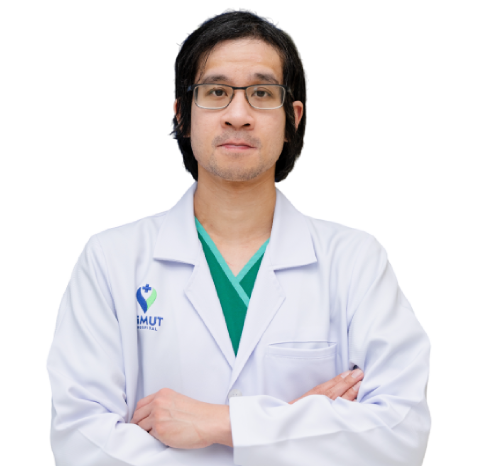
อาภาคัพภะกุล

เตรียมชาญชูชัย

พูลพิทยาธร
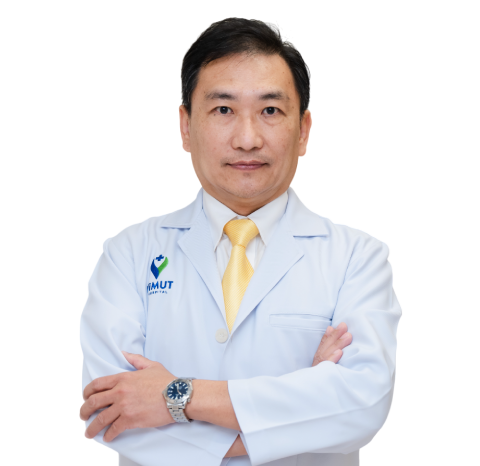
สมานคติวัฒน์
ติดต่อสอบถามเกี่ยวกับศูนย์การรักษา
แนะนำแพ็กเกจที่เกี่ยวข้อง
แพ็กเกจตรวจสุขภาพหลอดเลือด Vascular Heart Check (ABI,CAC,Carotid Doppler)
5,500 บาท
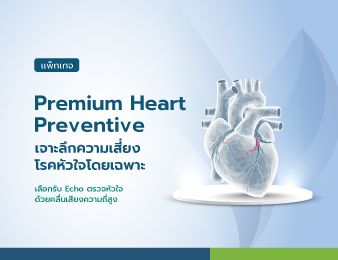
แพ็กเกจ Premium Heart Preventive รับเพิ่ม ตรวจหัวใจด้วยคลื่นเสียงความถี่สูง (Echo)
6,900 บาท
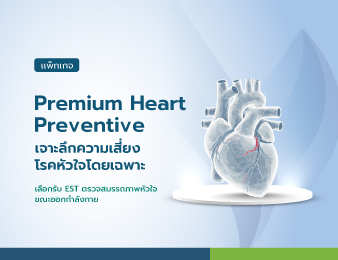
แพ็กเกจ Premium Heart Preventive รับเพิ่ม ตรวจสมรรถภาพหัวใจขณะออกกำลังกาย (EST)
6,900 บาท
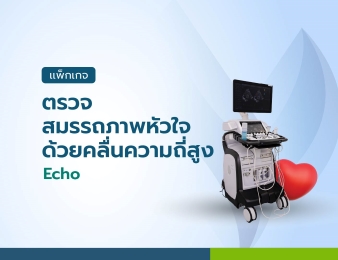
แพ็กเกจตรวจสมรรถภาพหัวใจด้วยคลื่นความถี่สูง (Echo)
3,500 บาท
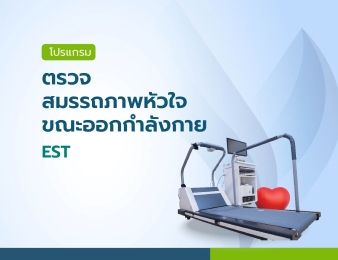
แพ็กเกจตรวจสมรรถภาพหัวใจขณะออกกำลังกาย (EST)
3,500 บาท
แพ็กเกจตรวจวัดระดับคราบไขมันหรือหินปูนที่เส้นเลือดหัวใจ CAC (CT Calcium score)
3,500 บาท


แพ็กเกจตรวจสุขภาพหลอดเลือด Vascular Heart Check (ABI,CAC,Carotid Doppler)
5,500 บาท
แพ็กเกจ Premium Heart Preventive รับเพิ่ม ตรวจหัวใจด้วยคลื่นเสียงความถี่สูง (Echo)
6,900 บาท
แพ็กเกจ Premium Heart Preventive รับเพิ่ม ตรวจสมรรถภาพหัวใจขณะออกกำลังกาย (EST)
6,900 บาท
แพ็กเกจตรวจสมรรถภาพหัวใจด้วยคลื่นความถี่สูง (Echo)
3,500 บาท
แพ็กเกจตรวจสมรรถภาพหัวใจขณะออกกำลังกาย (EST)
3,500 บาท
แพ็กเกจตรวจวัดระดับคราบไขมันหรือหินปูนที่เส้นเลือดหัวใจ CAC (CT Calcium score)
3,500 บาท
เรื่องสุขภาพน่ารู้ที่เกี่ยวข้อง
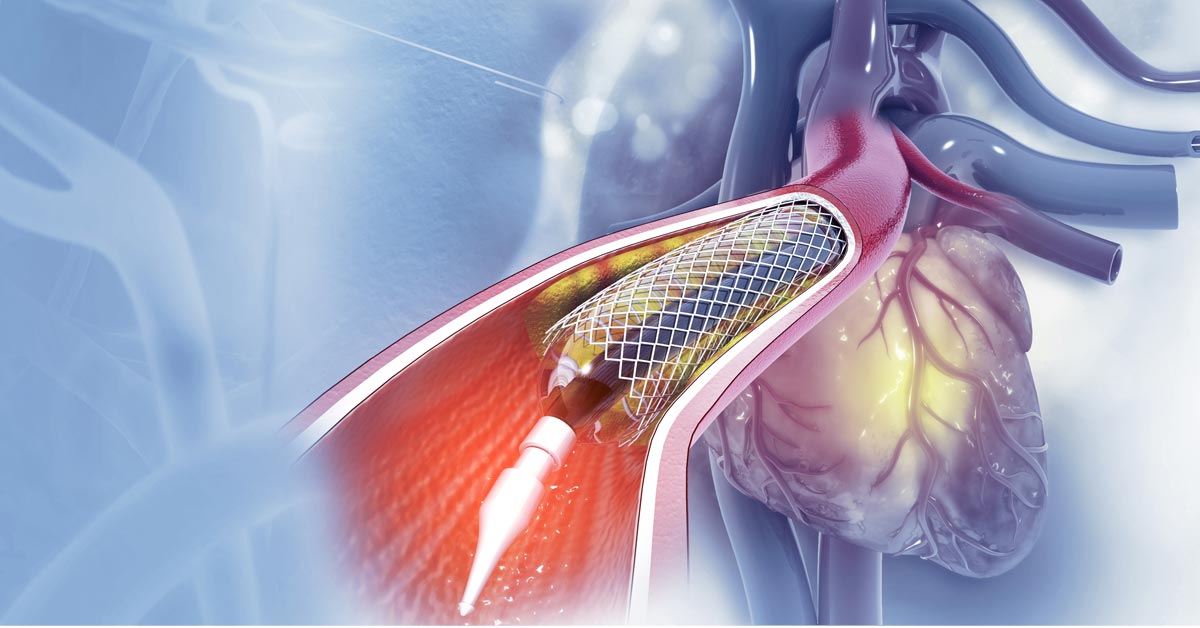
รู้ครบทุกเรื่อง! ฉีดสีหัวใจ ไม่น่ากลัวอย่างที่คิด
เข้าใจให้ชัดเจนทุกแง่มุมกับการฉีดสีหัวใจคืออะไร ทำไมต้องทำ ขั้นตอนการฉีดสีหัวใจเป็นยังไง ต้องนอนโรงพยาบาลไหม พักฟื้นกี่วัน มีความเสี่ยงอะไรไหม ที่นี่เรารวมทุกเรื่องมาให้แล้ว

ความดันต่ำ อย่าวางใจ...อาจเสี่ยงอันตรายกว่าที่คิด
พาไปเจาะลึกสาเหตุความดันต่ำเกิดจากอะไร เท่าไหร่ถึงอันตราย พร้อมเข้าใจวิธีเช็กความดันต่ำ รู้ทันอาการแบบไหนเสี่ยงอันตราย และวิธีรับมือเมื่อมีอาการอย่างถูกต้อง

เช็กอาการ หัวใจโต ภาวะอันตรายที่ไม่ควรวางใจ
หัวใจโต คืออะไร? อันตรายไหม? พาทำความเข้าใจภาวะหัวใจโต เช็กสาเหตุหัวใจโตเกิดจากอะไร พร้อมสังเกตอาการหัวใจโต เช่น เหนื่อยง่าย ขาบวม นอนราบไม่ได้ และวิธีรักษาที่ถูกต้องที่นี่
ผ่าตัดหัวใจแผลเล็ก (MICS) ทางเลือกใหม่ของการรักษาโรคหัวใจ
พาไปทำความรู้จักการผ่าตัดหัวใจแผลเล็ก นวัตกรรมรักษาโรคหัวใจที่รอยแผลผ่าตัดหัวใจมีขนาดเล็ก เจ็บน้อย ฟื้นตัวเร็ว พร้อมคำแนะนำการผ่าตัดหัวใจแบบส่องกล้องจากโรงพยาบาลวิมุต
รู้ครบทุกเรื่อง! ฉีดสีหัวใจ ไม่น่ากลัวอย่างที่คิด
เข้าใจให้ชัดเจนทุกแง่มุมกับการฉีดสีหัวใจคืออะไร ทำไมต้องทำ ขั้นตอนการฉีดสีหัวใจเป็นยังไง ต้องนอนโรงพยาบาลไหม พักฟื้นกี่วัน มีความเสี่ยงอะไรไหม ที่นี่เรารวมทุกเรื่องมาให้แล้ว
ความดันต่ำ อย่าวางใจ...อาจเสี่ยงอันตรายกว่าที่คิด
พาไปเจาะลึกสาเหตุความดันต่ำเกิดจากอะไร เท่าไหร่ถึงอันตราย พร้อมเข้าใจวิธีเช็กความดันต่ำ รู้ทันอาการแบบไหนเสี่ยงอันตราย และวิธีรับมือเมื่อมีอาการอย่างถูกต้อง
เช็กอาการ หัวใจโต ภาวะอันตรายที่ไม่ควรวางใจ
หัวใจโต คืออะไร? อันตรายไหม? พาทำความเข้าใจภาวะหัวใจโต เช็กสาเหตุหัวใจโตเกิดจากอะไร พร้อมสังเกตอาการหัวใจโต เช่น เหนื่อยง่าย ขาบวม นอนราบไม่ได้ และวิธีรักษาที่ถูกต้องที่นี่
ผ่าตัดหัวใจแผลเล็ก (MICS) ทางเลือกใหม่ของการรักษาโรคหัวใจ
พาไปทำความรู้จักการผ่าตัดหัวใจแผลเล็ก นวัตกรรมรักษาโรคหัวใจที่รอยแผลผ่าตัดหัวใจมีขนาดเล็ก เจ็บน้อย ฟื้นตัวเร็ว พร้อมคำแนะนำการผ่าตัดหัวใจแบบส่องกล้องจากโรงพยาบาลวิมุต
เช็กอาการ หัวใจโต ภาวะอันตรายที่ไม่ควรวางใจ
หัวใจโต คืออะไร? อันตรายไหม? พาทำความเข้าใจภาวะหัวใจโต เช็กสาเหตุหัวใจโตเกิดจากอะไร พร้อมสังเกตอาการหัวใจโต เช่น เหนื่อยง่าย ขาบวม นอนราบไม่ได้ และวิธีรักษาที่ถูกต้องที่นี่
ผ่าตัดหัวใจแผลเล็ก (MICS) ทางเลือกใหม่ของการรักษาโรคหัวใจ
พาไปทำความรู้จักการผ่าตัดหัวใจแผลเล็ก นวัตกรรมรักษาโรคหัวใจที่รอยแผลผ่าตัดหัวใจมีขนาดเล็ก เจ็บน้อย ฟื้นตัวเร็ว พร้อมคำแนะนำการผ่าตัดหัวใจแบบส่องกล้องจากโรงพยาบาลวิมุต
รู้ครบทุกเรื่อง! ฉีดสีหัวใจ ไม่น่ากลัวอย่างที่คิด
เข้าใจให้ชัดเจนทุกแง่มุมกับการฉีดสีหัวใจคืออะไร ทำไมต้องทำ ขั้นตอนการฉีดสีหัวใจเป็นยังไง ต้องนอนโรงพยาบาลไหม พักฟื้นกี่วัน มีความเสี่ยงอะไรไหม ที่นี่เรารวมทุกเรื่องมาให้แล้ว
ความดันต่ำ อย่าวางใจ...อาจเสี่ยงอันตรายกว่าที่คิด
พาไปเจาะลึกสาเหตุความดันต่ำเกิดจากอะไร เท่าไหร่ถึงอันตราย พร้อมเข้าใจวิธีเช็กความดันต่ำ รู้ทันอาการแบบไหนเสี่ยงอันตราย และวิธีรับมือเมื่อมีอาการอย่างถูกต้อง